

Top Italy Cruise Ports You Must Visit on Your Mediterranean Adventure
Italy’s coastline is one of the most spectacular in the Mediterranean, dotted with historic cities, scenic seaside towns, and culturally rich regions. Cruising through Italy offers travelers a unique way to experience world-class art, ancient ruins, vibrant food culture, and breathtaking landscapes—all accessible right from the ship’s gangway. From the Eternal City to charming island stops, here’s a guide to the top Italy cruise ports you should consider for your itinerary.
1. Civitavecchia (Rome) – Gateway to the Eternal City
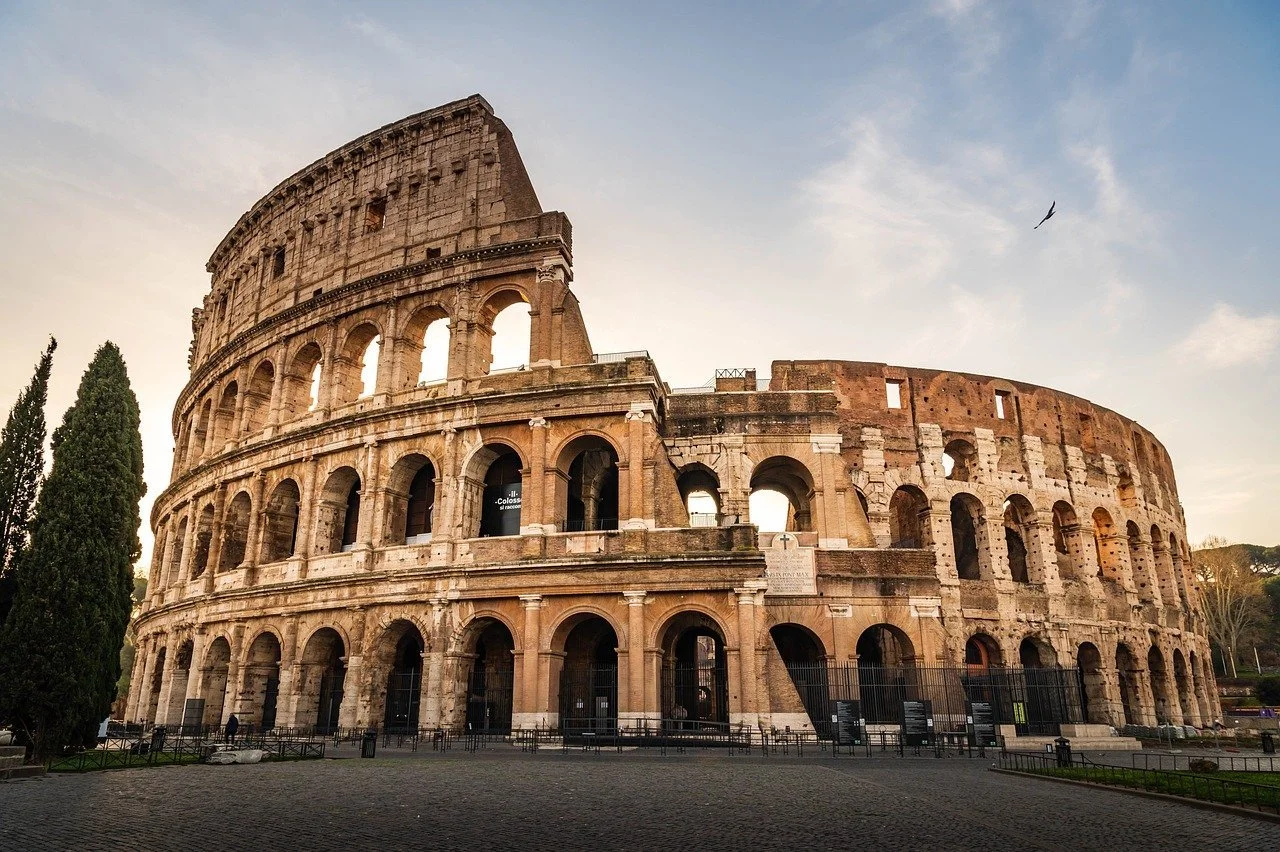
Colosseum (Rome)
Built between 72A.D and 80 A.D., it is the largest ancient amphitheater ever constructed.
Why Visit:
Civitavecchia is Italy’s primary cruise port for Rome and one of the busiest cruise hubs in the Mediterranean.
Location
Located on Italy’s western coast along the Tyrrhenian Sea, about 80 km (50 miles) northwest of Rome in the Lazio region.
History
The port was commissioned by Emperor Trajan in the 2nd century AD as Rome’s maritime gateway. It has remained strategically important for trade and travel ever since.
Characteristics
Major Mediterranean cruise hub
Modern cruise terminals
Easy rail connection to Rome
Historic Forte Michelangelo fortress
Tourism Highlights
Colosseum
Roman Forum
Pantheon
Vatican City
Trevi Fountain
What to See and Do
Explore Rome’s ancient treasures such as the Colosseum, Roman Forum, and Pantheon.
Visit Vatican City with its museums and St. Peter’s Basilica.
Discover Civitavecchia’s own historic centre and waterfront promenades.
Tips:
Trains and shuttle services connect the port with Rome in about an hour, making day trips very feasible.
2. Naples – Classic City and Gateway to the South
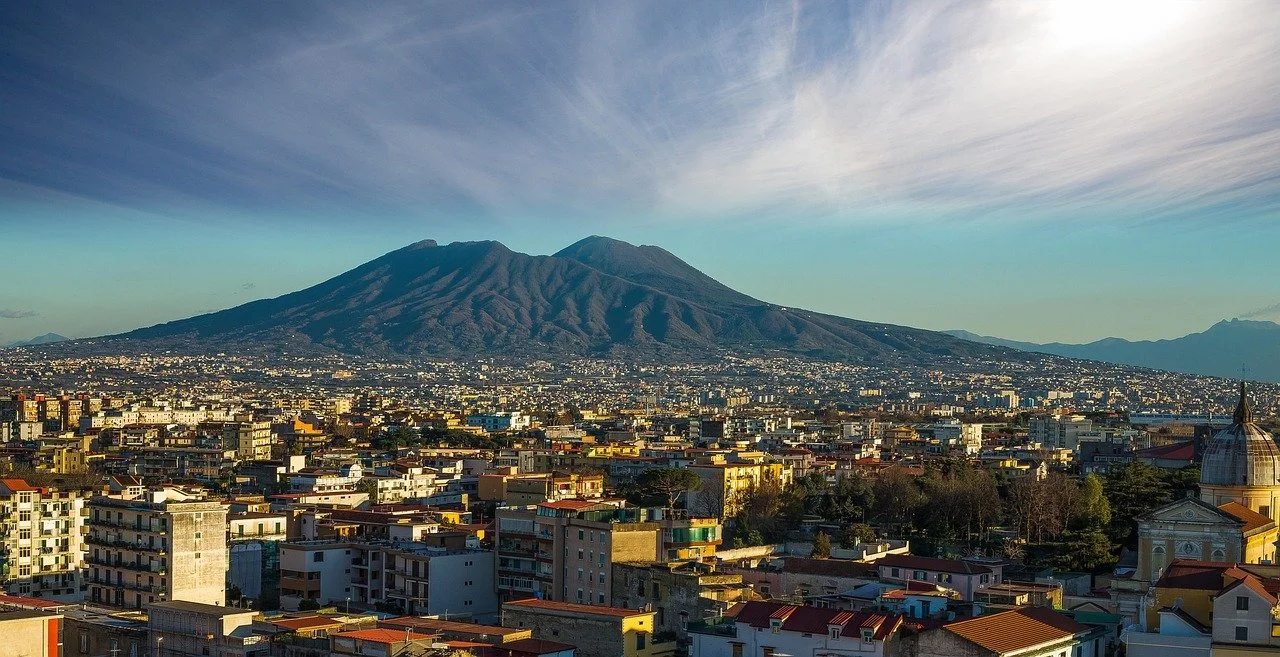
Naples
Founded by the Greeks in the 8th century BC.
Why Visit:
Naples is a vibrant port city offering authentic Italian culture, historic sites, and world-renowned cuisine.
Location
Situated along the Bay of Naples in the Campania region of southern Italy.
History
Founded by the Greeks in the 8th century BC, Naples is one of Europe’s oldest continuously inhabited cities and later became a powerful cultural center during Roman and Bourbon rule.
Characteristics
Dramatic coastal setting
Mount Vesuvius backdrop
UNESCO-listed historic center
Birthplace of pizza
Tourism Highlights
Pompeii and Herculaneum
Mount Vesuvius
Amalfi Coast
Capri island
What to See and Do
Wander Naples’ historic centre and sample authentic Neapolitan pizza.
Take excursions to Pompeii or Mount Vesuvius.
Visit Capri or the Amalfi Coast.
Tips:
Naples works well both as a major cruise stop and as a hub for further day trips into southern Italy.
3. Livorno – Tuscany’s Cultural Launchpad
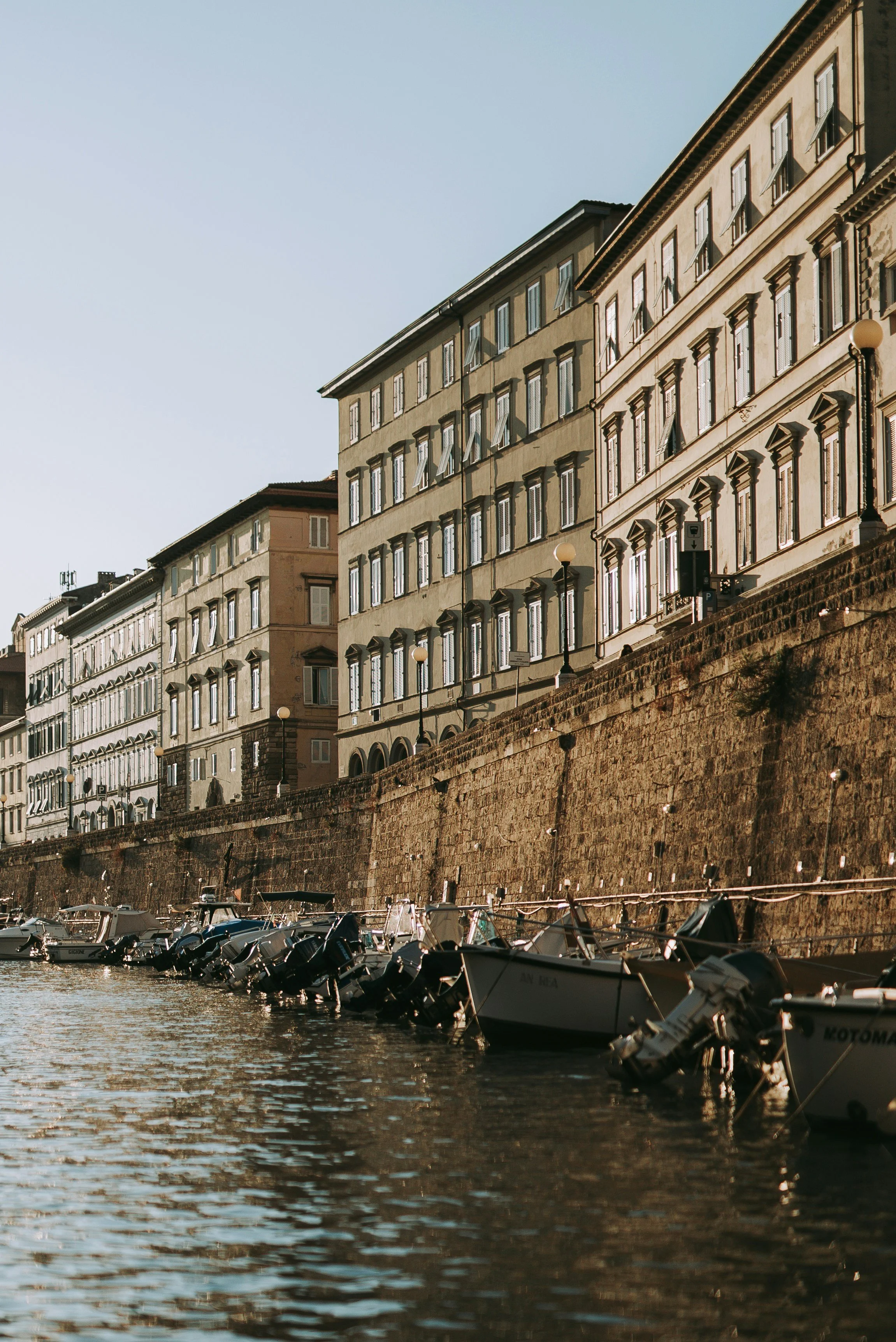
The Arno River
is the main waterway flowing through the heart of Florence
Why Visit:
The Livorno cruise port gives easy access to Tuscany’s cultural capitals.
Location
Located on Italy’s western coast in the Tuscany region along the Ligurian Sea.
History
Expanded in the 16th century under the Medici family, Livorno became an important free port and trading center during the Renaissance.
Characteristics
Canal-lined districts
Important commercial port
Gateway to Florence and Pisa
Tourism Highlights
Florence Cathedral (Duomo)
Uffizi Gallery
Leaning Tower of Pisa
Tuscan vineyards
What to See and Do
Head inland to Florence to admire Renaissance art and architecture.
Visit Pisa to see its famous Leaning Tower.
Explore Tuscan countryside and charming hill towns.
Tips:
The port is connected by convenient transport options to nearby cities, ideal for day explorers.
4. La Spezia – Doorway to Cinque Terre and Tuscany
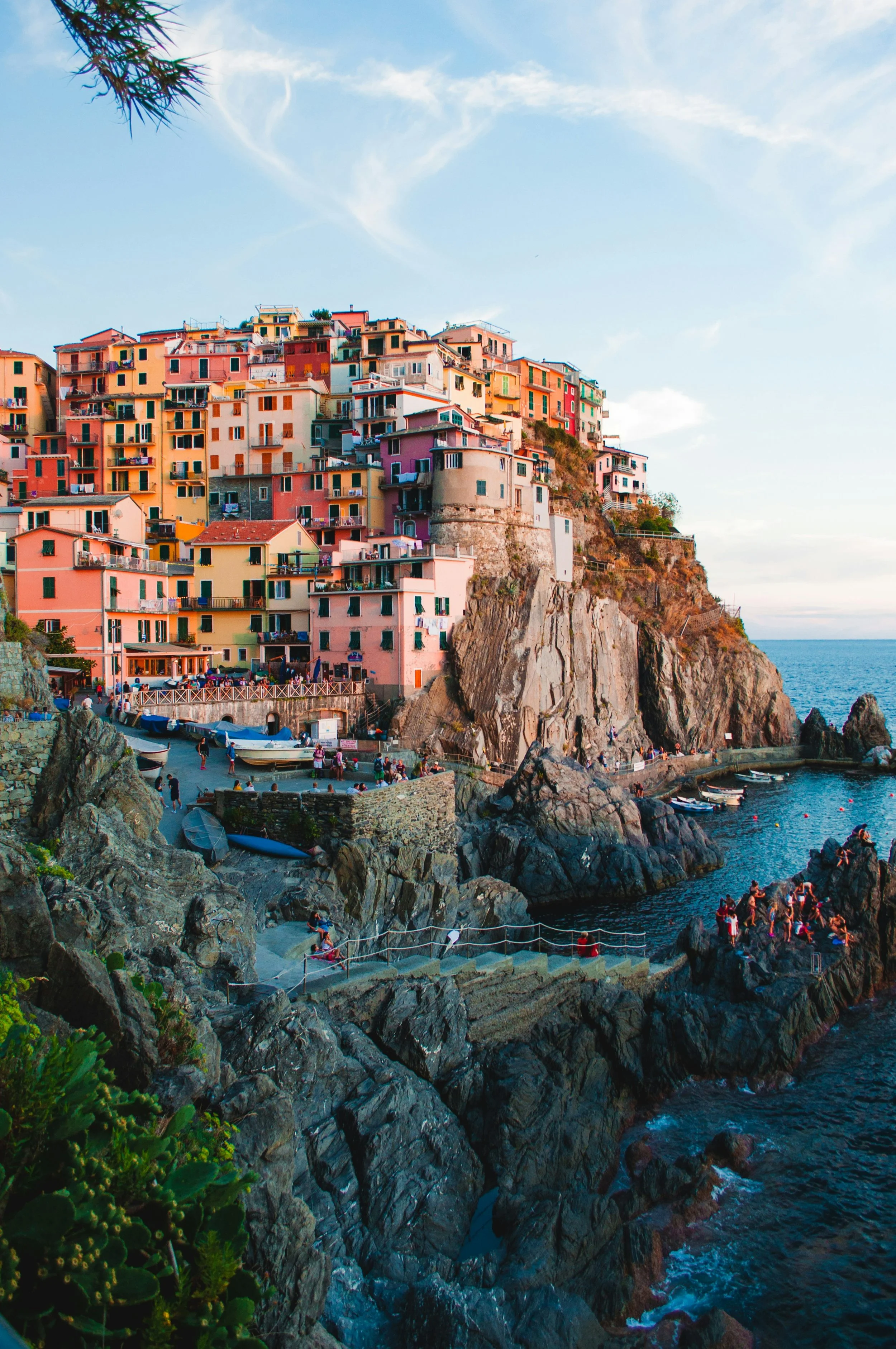
Village of Manarola
is one of the five famous villages comprising the Cinque Terre along the Italian Rivera.
Why Visit:
La Spezia is a key entry point for experiencing the UNESCO-listed Cinque Terre region.
Location
Situated in Liguria, northwestern Italy, between Genoa and Pisa.
History
Originally a naval base, La Spezia became a major military and commercial port in the 19th century.
Characteristics
Surrounded by hills and sea
Scenic harbor views
Coastal rail links
Gateway to Cinque Terre
Tourism Highlights
Cinque Terre villages
Coastal hiking trails
Ligurian seafood cuisine
What to See and Do
Explore the five colorful cliffside villages of Cinque Terre.
Enjoy scenic hiking trails along the Ligurian coast.
Visit Pisa or Lucca from this strategic cruise stop.
Tips:
Local train and shuttle services make it easy to reach the region’s highlights quickly.
5. Genoa – Historic Seaport on the Italian Riviera
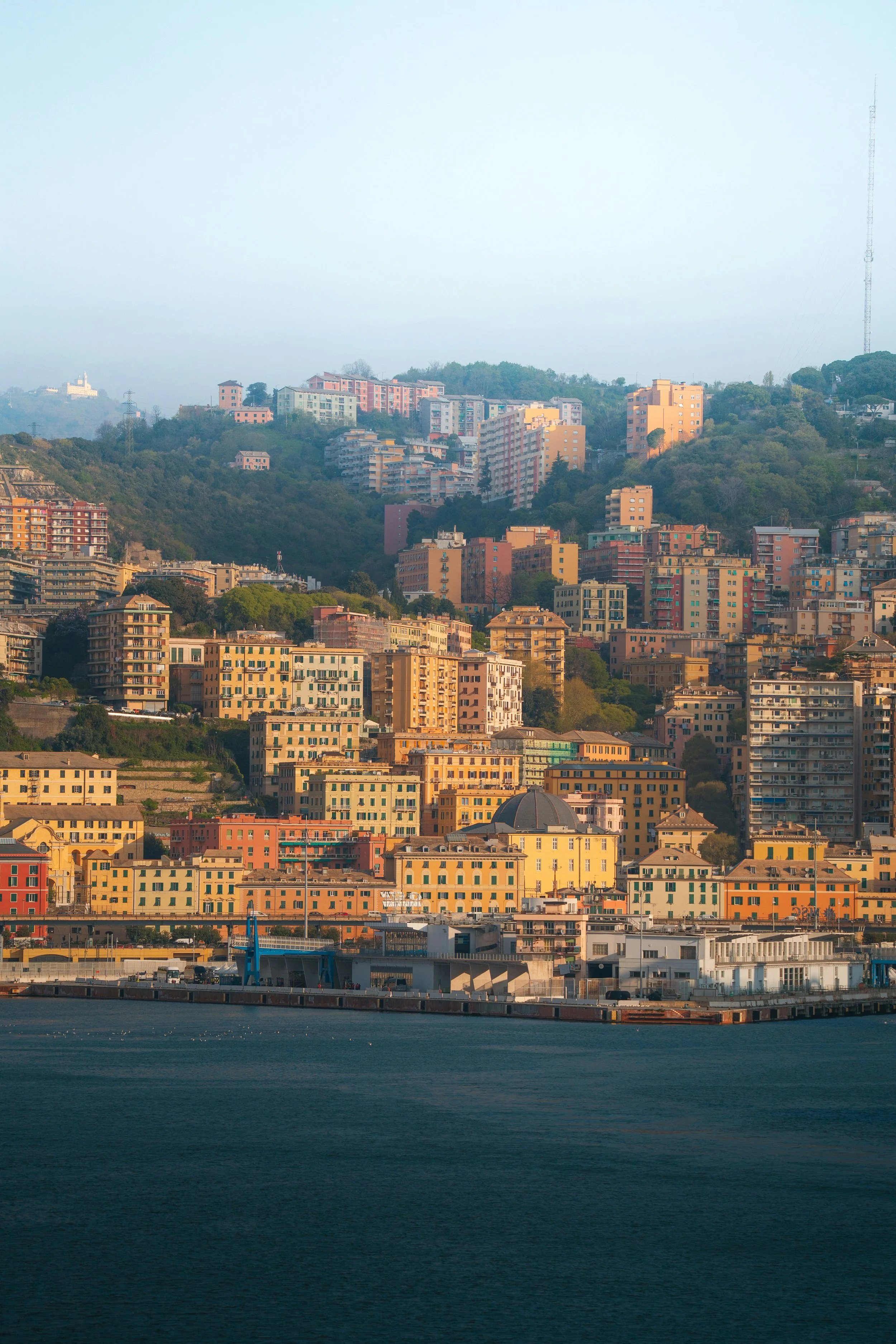
Genoa
is the capital of the Liguaria region and is italy’s sixth-largest city.
Why Visit:
Genoa offers rich maritime history and access to the scenic Italian Riviera.
Location
Located in the Liguria region on Italy’s northwest coast.
History
Once one of Europe’s powerful maritime republics, Genoa played a key role in Mediterranean trade during the Middle Ages.
Characteristics
Historic old town
Major seaport
Italian Riviera access
Birthplace of Christopher Columbus
Tourism Highlights
Genoa Aquarium
Palazzi dei Rolli (UNESCO site)
Portofino and Santa Margherita
Riviera coastline
What to See and Do
Discover the historic Old Port and aquariums.
Stroll through Genoa’s medieval city centre.
Take day trips along the Riviera.
6. Cagliari – Sardinia’s Coastal Gem
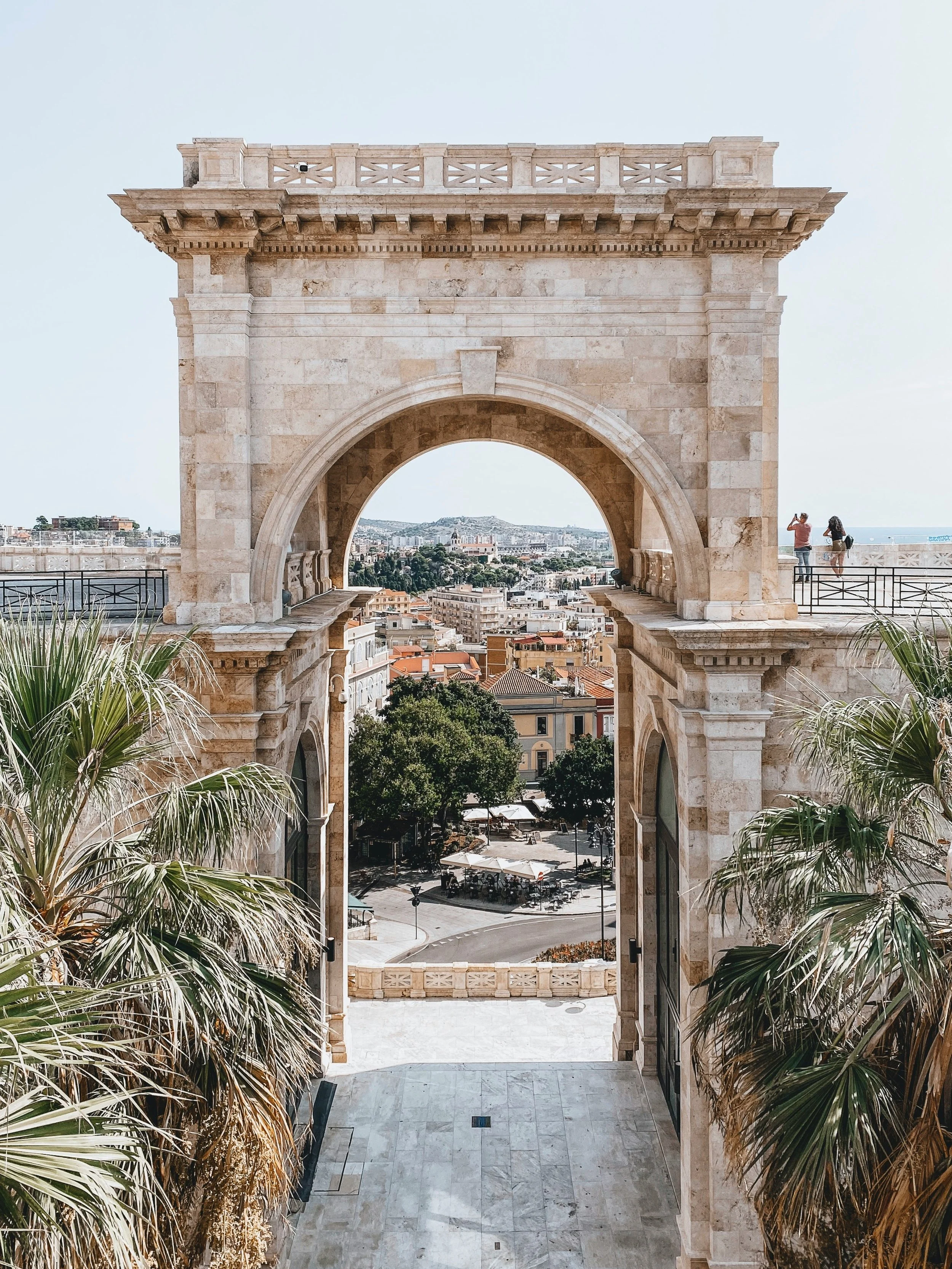
Bastione di Saint Remy
Built between 1896 and 1902, the bastion is one of the city’s most iconic landmarks and largest rooftop terraces.
Why Visit:
Cagliari offers a blend of history, beaches, and scenic views in Sardinia.
Location
Capital of Sardinia, located in the southern part of the island.
History
Founded by the Phoenicians, later developed under Roman rule, Cagliari has long been a strategic Mediterranean port.
Characteristics
Hilltop Castello district
Mediterranean beaches
Island culture and cuisine
Tourism Highlights
Poetto Beach
Roman amphitheater
Nora archaeological site
What to See and Do
Relax on Poetto Beach.
Explore the medieval Castello district.
Visit ancient ruins and museums.
Tips:
This lesser-visited port is perfect for travelers who want culture and relaxation in one stop.
7. Palermo and Messina – Sicily’s Rich History
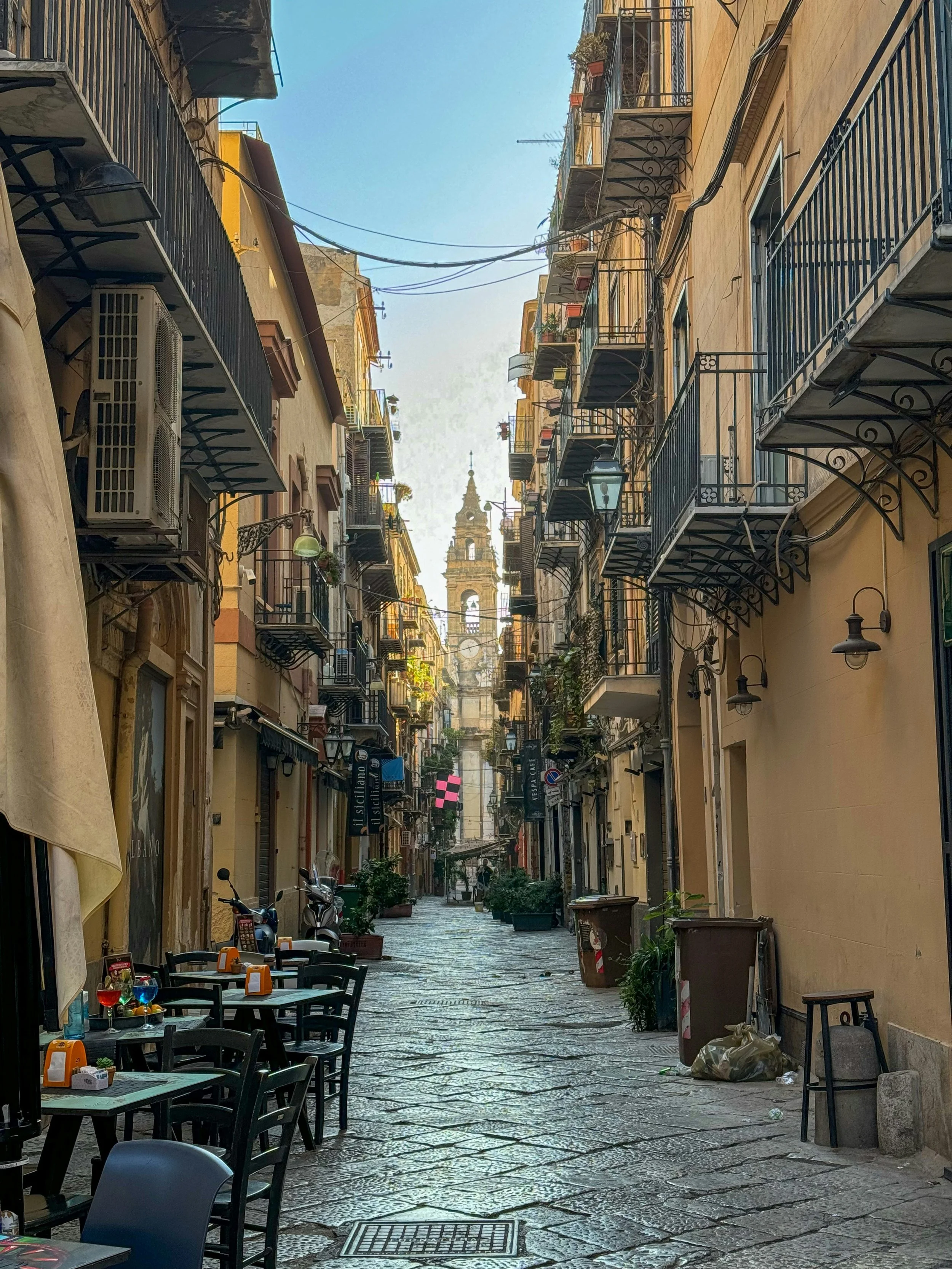
Palermo
is renowned for its blend of Arab-Norman architecture, vibrant street markets, and rich history
Why Visit:
Palermo is one of the Mediterranean’s most vibrant cruise ports, known for its unique architectural fusion, lively street life, and deep historical roots shaped by multiple civilizations.
Location
Palermo is located on the northern coast of Sicily along the Tyrrhenian Sea, backed by mountains and facing a natural harbor that has supported maritime trade for centuries.
History
Founded by the Phoenicians in the 8th century BC, Palermo later flourished under Roman, Arab, Norman, and Spanish rule. The Arab-Norman period in particular left a lasting architectural and cultural legacy that remains visible today. This blend of influences makes Palermo one of Italy’s most historically layered cities.
Characteristics
Arab-Norman architectural style
Bustling open-air street markets
Mountain-meets-sea setting
Strong culinary identity
UNESCO-listed heritage sites
Tourism Highlights
Palermo Cathedral
Norman Palace and Palatine Chapel
Ballarò and Vucciria markets
Teatro Massimo opera house
Mondello Beach
What to See and Do
Explore Palermo Cathedral and climb to its rooftop for panoramic views.
Visit the Norman Palace and admire the golden mosaics of the Palatine Chapel.
Sample Sicilian street food such as arancini, panelle, and cannoli.
Stroll through historic markets and soak in local culture.
Tips:
Many major attractions are walkable from the cruise port, making Palermo ideal for independent exploration.
Messina – Gateway to Eastern Sicily
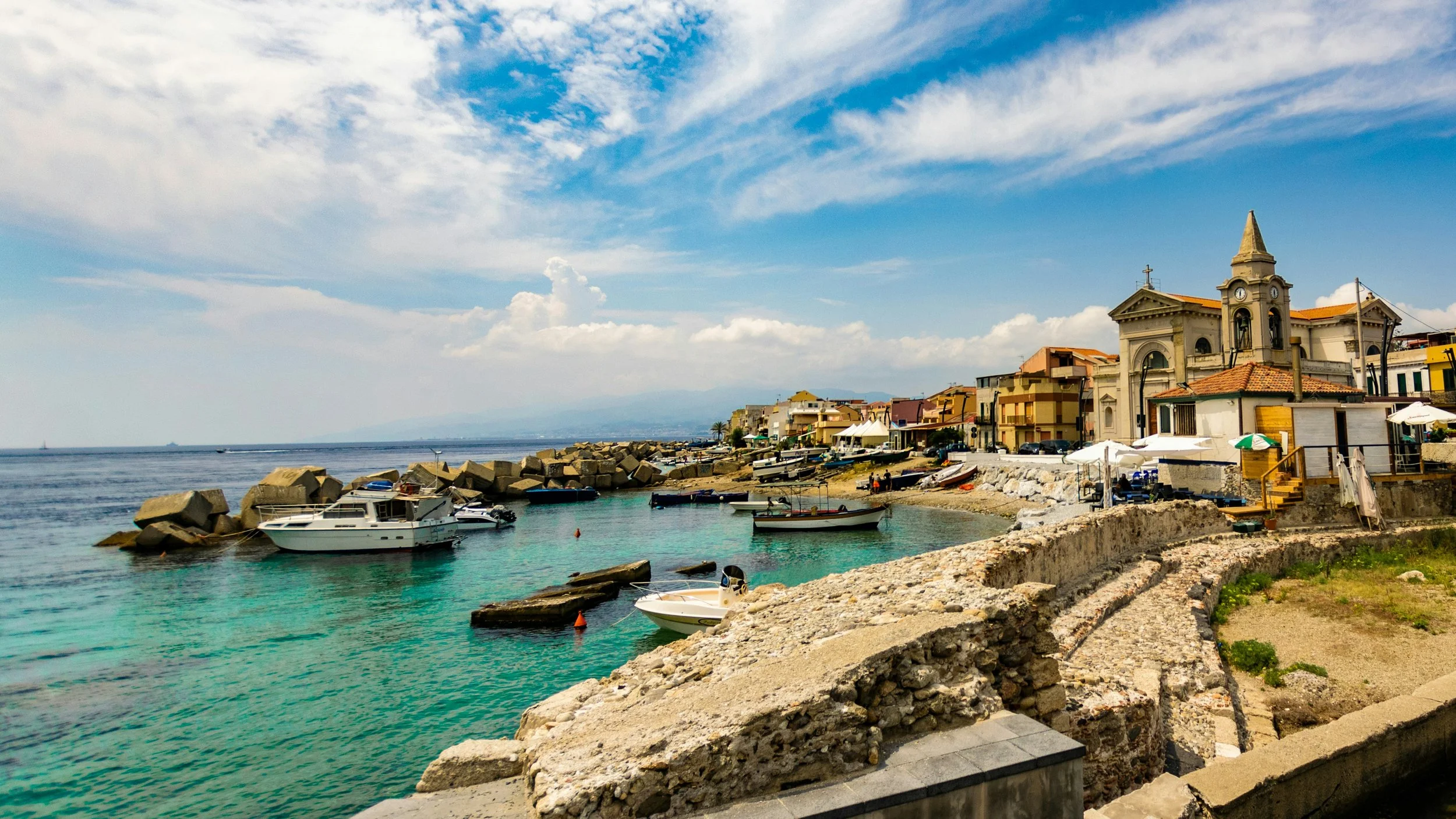
Messina
It is situated along the Strait of Messina, a narrow waterway separating Sicily from mainland Italy.
Why Visit:
Messina offers scenic coastal views and serves as a gateway to some of Sicily’s most famous natural and cultural attractions, including Mount Etna and Taormina.
Location
Messina is located in northeastern Sicily along the Strait of Messina, the narrow waterway separating Sicily from mainland Italy.
History
Founded by Greek settlers in the 8th century BC, Messina became an important trading port in antiquity. Over the centuries, it endured earthquakes and wartime destruction but rebuilt into a modern and active port city.
Characteristics
Scenic waterfront setting
Strategic maritime location
Gateway to Mount Etna
Less crowded than Palermo
Panoramic coastal viewpoints
Tourism Highlights
Messina Cathedral and astronomical clock tower
Sanctuary of Christ the King
Taormina’s ancient Greek Theatre
Mount Etna excursions
Sicilian coastal villages
What to See and Do
Visit the Cathedral of Messina and watch the midday astronomical clock show.
Take an excursion to Taormina for spectacular sea views and ancient ruins.
Explore Mount Etna, Europe’s most active volcano.
Enjoy coastal drives and seaside dining.
Tips:
Messina is an excellent port for organized excursions, particularly to Mount Etna or Taormina, which are about an hour away.
8. Venice – Canals, Culture and Romance
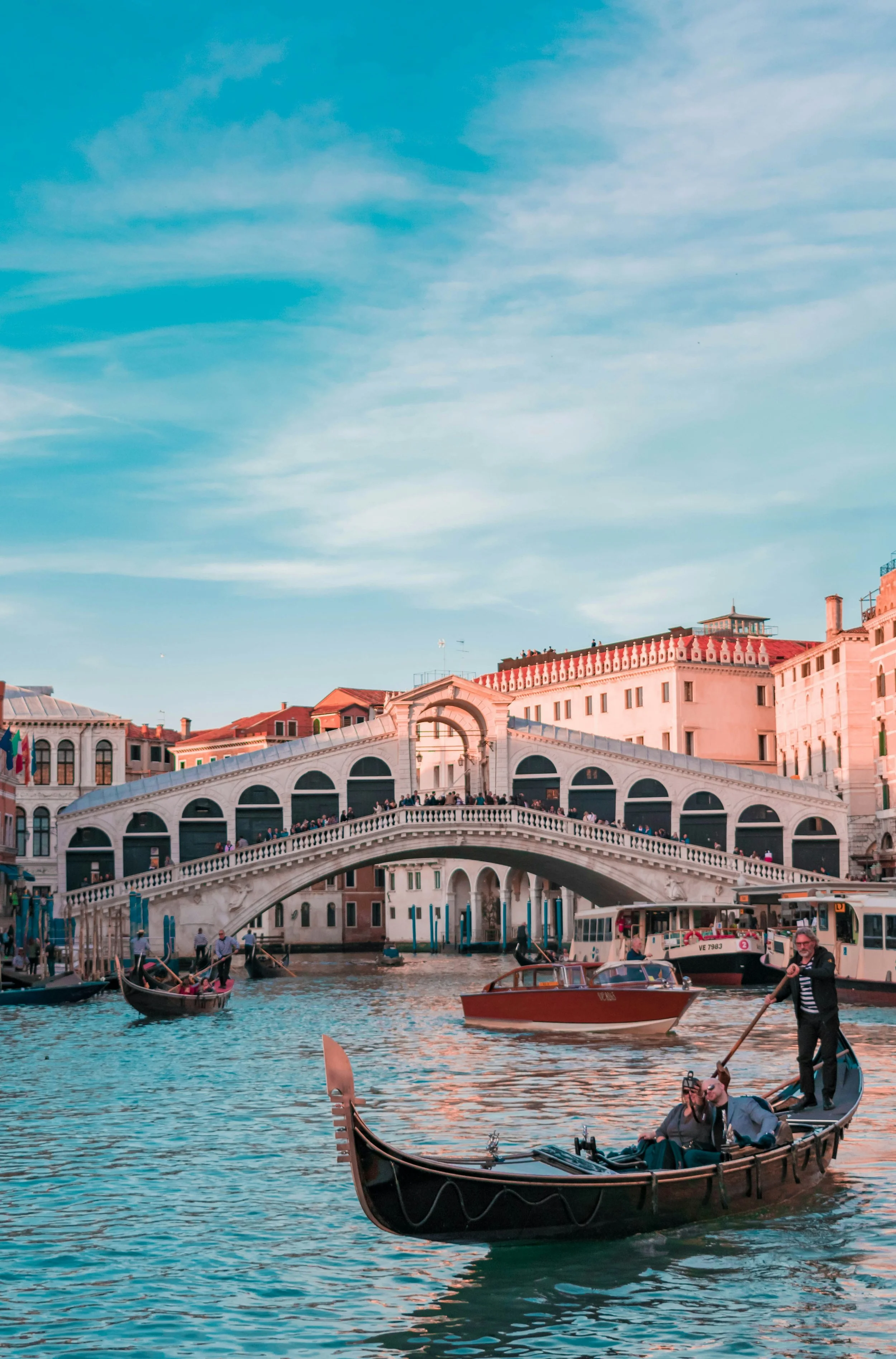
Rialto Bridge
Designed by Antonio da Ponte and completed in 1591, it is the oldest bridge across the Grand Canal and a masterpiece of Renaissance engineering.
Why Visit:
Venice remains one of Italy’s most iconic destinations with its canals, bridges, and historic landmarks.
Location
Northeastern Italy in the Veneto region, built across more than 100 small islands in a lagoon of the Adriatic Sea.
History
Founded in the 5th century, Venice became a powerful maritime republic and dominant trading force during the Middle Ages.
Characteristics
Network of canals instead of roads
Gothic and Byzantine architecture
Lagoon setting
UNESCO World Heritage Site
Tourism Highlights
St. Mark’s Basilica
Doge’s Palace
Grand Canal
Murano and Burano islands
What to See and Do
Walk through St. Mark’s Square and visit Doge’s Palace.
Explore the Grand Canal by vaporetto or water taxi.
Visit nearby islands such as Murano and Burano.
Tips:
Some large ships dock outside the historic centre to protect the lagoon, with transfer services into the city.
Planning Tips for Your Italy Cruise
Choose Your Season:
Spring and fall typically offer mild weather and fewer crowds than high summer.
Book Excursions Early:
Popular sites like Rome, Florence, and Cinque Terre can fill up quickly. Here are some our most trusted excursions provider that we really
recommend :
shoreexcursionsgroup.com
getyourguide.com
viator.com
Transport Logistics:
Many ports have train or shuttle connections to major attractions, which can save time and money.
Conclusion
Italy’s cruise ports offer an exceptional combination of history, culture, scenery, and cuisine that make every stop on an Italian itinerary unforgettable. Whether you’re exploring ancient ruins on a day trip from Civitavecchia, sampling pizza in Naples, hiking through Cinque Terre from La Spezia, or wandering Venice’s canals, each port brings its own charm and adventure.
With careful planning, your Italy cruise can become the highlight of your Mediterranean travel story.
Ready to experience the magic of Italy by sea? Start planning your Mediterranean cruise today and discover which of these unforgettable Italian ports will top your must-visit list. From Rome’s ancient wonders to Sicily’s vibrant culture, your dream cruise adventure awaits.
