

Best Time to Visit Italy: A Complete Seasonal Travel Guide
Italy is a year-round destination, but the best time to visit depends on what you want to experience. From sun-soaked Amalfi Coast beaches to quiet Tuscan countryside escapes and festive winter markets, each season offers something unique.
Whether you’re planning a romantic getaway, a Mediterranean cruise, a cultural city break, or a countryside retreat, this guide will help you decide the best time to visit Italy based on weather, crowds, prices, and activities.
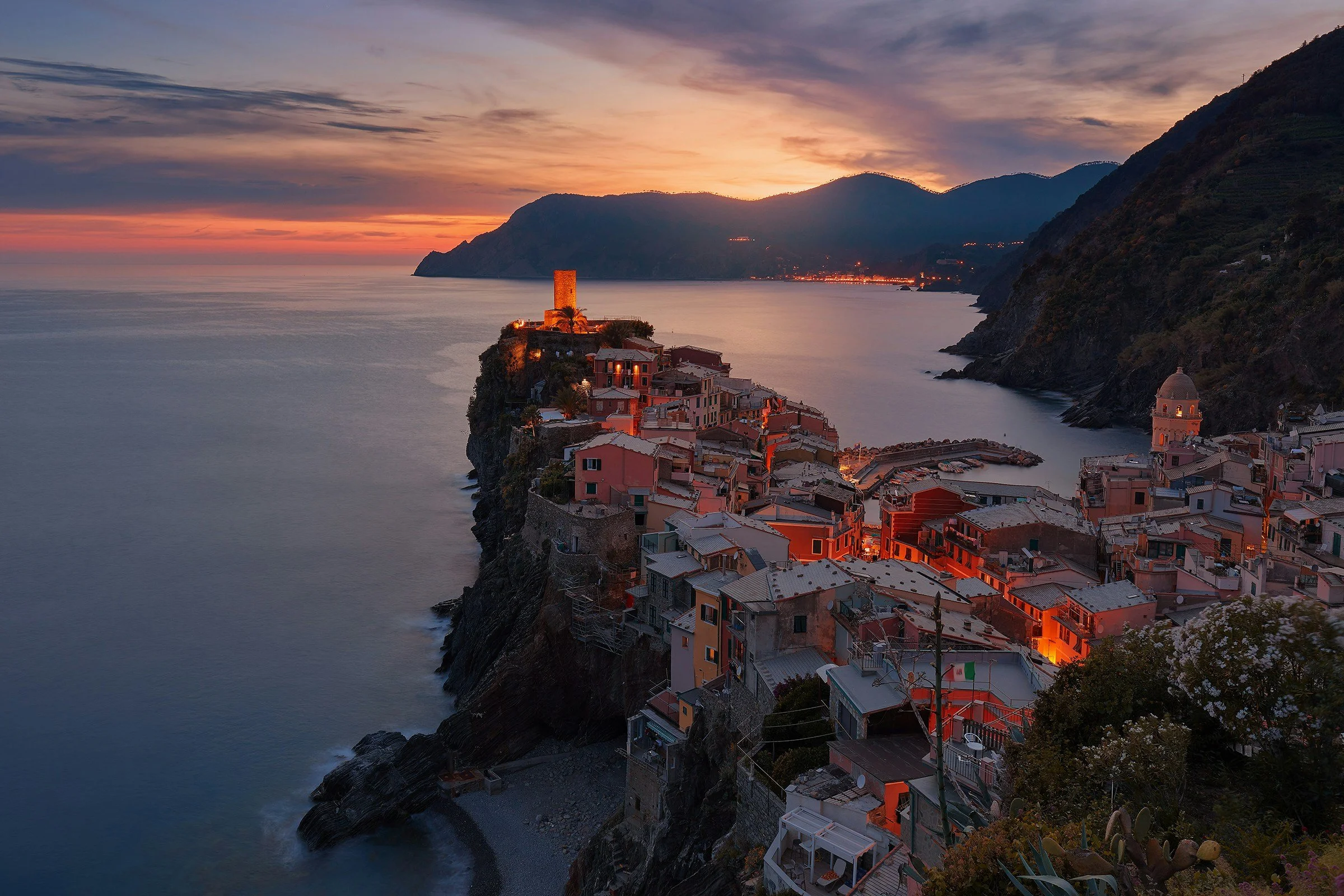
Manarola cityscape
one of the famous town in the Cinque Terra region of Italy
Quick Answer: When Is the Best Time to Visit Italy?
For most travelers, the best time to visit Italy is April to June (spring) and September to October (early fall).
During these months you’ll find:
Pleasant temperatures
Fewer crowds than peak summer
Lower accommodation prices
Ideal conditions for sightseeing
However, every season in Italy has its advantages.
Italy by Season: What to Expect
Spring in Italy (March – May)
Weather
Spring brings mild and comfortable temperatures ranging from 55°F to 75°F (13°C–24°C). Southern Italy warms earlier, while northern regions remain cooler in March.
Why Visit in Spring
Blooming countryside and gardens
Fewer tourists compared to summer
Comfortable weather for walking tours
Ideal for Rome, Florence, and Venice sightseeing
Best Places in Spring
Rome and Vatican City
Florence and Tuscany
Venice before peak cruise season
Amalfi Coast in late May
Considerations
Easter can be busy, especially in Rome
Early spring may have occasional rain
Best for: Cultural travelers, photographers, couples, city explorers
Summer in Italy (June – August)
Weather
Summer is hot and sunny. Temperatures often reach:
80–95°F (27–35°C) in central and southern Italy
Slightly cooler in northern regions and coastal areas
Why Visit in Summer
Perfect beach weather
Lively festivals and events
Long daylight hours
Vibrant coastal atmosphere
Best Places in Summer
Amalfi Coast
Sardinia and Sicily
Cinque Terre
Lake Como
Considerations
Peak tourist season
Higher hotel and flight prices
Major cities can feel very hot and crowded
Best for: Beach lovers, families on school holidays, cruise travelers
Fall in Italy (September – November)
Weather
Early fall remains warm (70–85°F / 21–29°C), especially in September. By November, temperatures cool significantly in northern regions.
Why Visit in Fall
Fewer crowds after summer
Harvest season in Tuscany and Piedmont
Wine festivals and food events
Pleasant sightseeing conditions
Best Places in Fall
Tuscany wine regions
Rome and Florence
Umbria countryside
Piedmont truffle season
Considerations
Rain increases in late October and November
Some coastal towns begin to slow down after September
Best for: Food travelers, wine lovers, cultural explorers
Winter in Italy (December – February)
Weather
Winter temperatures vary widely:
Northern Italy: 30–45°F (-1–7°C)
Central Italy: 40–55°F (4–13°C)
Southern Italy: Mild but cooler
Snow is common in the Alps and Dolomites.
Why Visit in Winter
Fewer tourists
Lower accommodation prices
Christmas markets and decorations
Ski season in northern mountains
Best Places in Winter
Rome and Vatican City (fewer crowds)
Venice during Carnival (February)
Dolomites for skiing
Milan for shopping
Considerations
Shorter daylight hours
Some coastal towns close for the season
Colder weather in northern cities
Best for: Budget travelers, holiday travelers, ski enthusiasts
Best Time to Visit Italy by Travel Style
Best Time for Sightseeing
April, May, September, October
Best Time for Beaches
June through early September
Best Time for Wine and Food
September and October (harvest season)
Best Time for Budget Travel
January, February, and November
Best Time to Avoid Crowds
Late October through March (excluding holidays)
Month-by-Month Snapshot
January: Quiet, affordable, good for cities
February: Venice Carnival season
March: Early spring blooms begin
April: Excellent for sightseeing
May: Ideal weather, pre-summer crowds
June: Warm, lively, start of peak season
July: Hot and busy
August: Very hot, many locals vacation
September: One of the best months overall
October: Wine season, mild weather
November: Cooler, fewer tourists
December: Festive Christmas atmosphere
When Should You Avoid Visiting Italy?
Italy is rarely a bad destination, but you may want to reconsider if:
You dislike heat and crowds (avoid July and August in major cities)
You want fully open coastal resorts (avoid November–March in some seaside towns)
You prefer stable weather (November can be rainy)
Final Thoughts: So When Is the Best Time to Visit Italy?
The best time to visit Italy truly depends on your travel goals.
If you want balanced weather, manageable crowds, and ideal sightseeing conditions, choose spring or early fall.
If beaches and lively coastal towns are your priority, summer is perfect.
If you prefer fewer tourists and better prices, winter offers surprising charm.
No matter the season, Italy delivers unforgettable experiences year-round.
FAQs
What is the cheapest month to visit Italy?
January and February are typically the most affordable months for flights and hotels (excluding ski resorts and Venice Carnival).
What is the hottest month in Italy?
July and August are generally the hottest months, especially in Rome, Florence, and southern regions.
Is September a good time to visit Italy?
Yes. September is often considered one of the best months due to warm weather, fewer crowds, and harvest season events.
When is Italy least crowded?
Late October through early March (except holiday periods) tends to have fewer tourists.
Ready to experience the magic of Italy at the perfect time of year? Start planning your trip today and choose the season that matches your travel style — whether it’s spring sightseeing, summer coastal escapes, fall food festivals, or winter cultural charm. Your unforgettable Italian adventure begins with the right timing.
